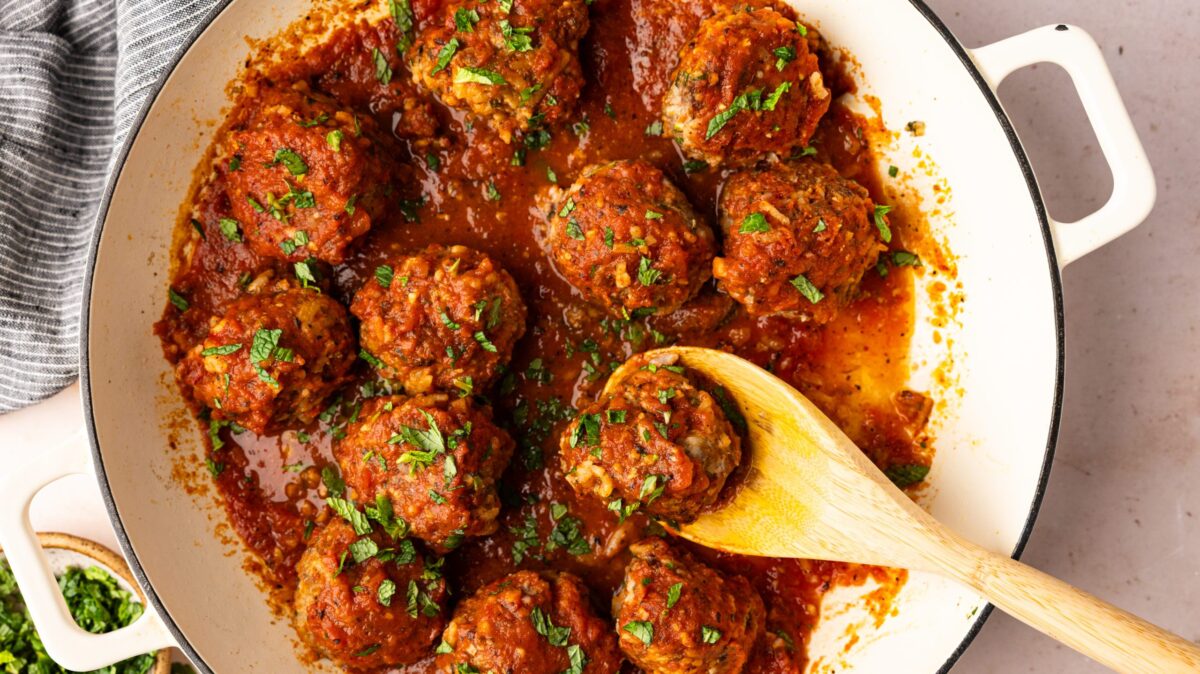
Mastering Albondigas: Roasted Meatballs with Zesty Cuban Catsup
Albondigas, a name that dances on the tongue with the promise of hearty, flavorful meatballs, are a cherished culinary tradition spanning various cultures. While many associate albondigas with a comforting, broth-based Mexican soup, this article invites you on a different, equally delicious journey: roasted albondigas served with a vibrant, zesty Cuban catsup. This rendition elevates the humble meatball to a dish bursting with complex flavors, offering a delightful twist on a classic and proving that albondigas are truly a dish of boundless versatility. Prepare to transform your kitchen into a haven of aromatic spices and rich, savory goodness.
The Heart of the Matter: Crafting Perfect Albondigas Meatballs
The foundation of any great meatball dish lies in the quality and combination of its ingredients. For our roasted albondigas, we move beyond simple ground meat to a meticulously blended mixture that ensures tenderness, juiciness, and an explosion of flavor in every bite.
Our recipe calls for a dynamic trio of meats:
- Chorizo: This adds a smoky, spicy depth and a good fat content, which keeps the meatballs moist and flavorful during roasting.
- Ground Beef: A classic choice, providing a robust, savory base.
- Ground Pork: Contributes tenderness and a slightly sweeter note, balancing the stronger flavors of the chorizo and beef.
This trifecta creates a wonderfully complex flavor profile that stands up well to the vibrant Cuban catsup. When selecting your meats, consider a lean-to-fat ratio that leans slightly towards more fat (e.g., 80/20 for beef/pork) to prevent the meatballs from drying out in the oven.
Beyond the meat, a symphony of aromatic and binding ingredients comes into play:
- Onion & Garlic: Finely minced, these provide essential aromatic depth. For an extra layer of flavor, consider sautéing them briefly before adding to the mixture.
- Panko Breadcrumbs: Far superior to regular breadcrumbs for meatballs, panko creates a lighter texture and helps retain moisture without making the meatballs dense.
- Tomato Paste: A concentrated burst of umami, deepening the savory notes of the meat.
- Eggs: The essential binder, holding everything together and ensuring your meatballs maintain their spherical shape during cooking.
- Spice Blend: This is where the magic truly happens. Our blend includes oregano, paprika, garlic salt, Aleppo pepper, turmeric, and cumin. Each spice plays a crucial role:
- Oregano & Cumin: Classic, earthy notes often found in Latin cuisine.
- Paprika (sweet or smoked): Adds color and a subtle sweetness or smokiness.
- Aleppo Pepper: Offers a mild, fruity heat without overwhelming the palate.
- Turmeric: Contributes a beautiful golden hue and an earthy warmth, plus a hint of its unique flavor profile.
Mixing, Chilling, and Shaping for Perfection
The process of combining these ingredients is just as important as the ingredients themselves. Using your hands (gloves are highly recommended for hygiene and comfort), gently but thoroughly knead the mixture until all components are evenly distributed. Overmixing can lead to tough meatballs, so stop once everything is just combined.
Once mixed, form the meat into a single ball, cover it, and refrigerate for at least 30 minutes. This crucial step allows the flavors to meld, and the fat to firm up, making the meatballs easier to roll and less likely to fall apart during cooking.
When it's time to shape, precision matters. Weighing out 1-ounce portions ensures uniform size, which in turn guarantees even cooking. Roll each portion into a compact ball and arrange them on a parchment-lined sheet pan. Parchment paper is your best friend here, preventing sticking and making cleanup a breeze.
The Art of Roasting: A Healthier, Flavorful Alternative
While albondigas are famously simmered in soups or sauces, roasting offers a distinct advantage for this recipe. Baking them at 350°F for about 40 minutes allows the meatballs to develop a beautiful golden-brown crust, locking in their juices and intensifying their flavor without the need for added oil from frying. This method also frees up your stovetop for preparing other components of your meal and generally results in less mess. For those interested in the more traditional, soup-based preparation, we highly recommend exploring
Authentic Mexican Albondigas Soup: Hearty One-Pot Meal Ideas for a different, yet equally delicious, experience.
Unleashing Flavor: The Zesty Cuban Catsup
No discussion of our roasted albondigas would be complete without highlighting their perfect counterpart: the zesty Cuban catsup. This isn't your average ketchup; it's a vibrant, homemade condiment bursting with fresh, tangy, and subtly spicy notes that perfectly complement the rich meatballs.
The magic of this catsup lies in its carefully selected ingredients:
- Fresh Tomatoes: The base, providing natural sweetness and acidity.
- Vinegar: Crucial for that characteristic tang and brightness that defines Cuban flavors.
- Garlic: Pungent and aromatic, a cornerstone of Cuban cuisine.
- Smoked Paprika & Paprika: A combination that delivers both smoky depth and a sweet, peppery warmth.
- Cumin, Aleppo Pepper, Turmeric: Echoing the spices in the meatballs, these create a harmonious flavor bridge between the two components.
- Salt: Essential for balancing and enhancing all the other flavors.
The Simmering and Emulsification Process
The preparation of the Cuban catsup is a two-step process, each vital for achieving its unique texture and intense flavor. First, all the ingredients (except the oil) are combined with water in a saucepan and brought to a slow simmer over medium-low heat. This gentle cooking allows the flavors to meld and deepen while the liquid gradually reduces, thickening the mixture into a concentrated sauce. Stirring occasionally prevents sticking and ensures even reduction. This reduction step is key to developing that rich, thick consistency reminiscent of a traditional catsup, but with a far more sophisticated flavor profile.
Once sufficiently reduced and slightly cooled, the mixture takes a trip to the blender. Blending on high transforms the cooked ingredients into a smooth, homogenous sauce. But here's where the *emulsification* magic happens: with the blender still running, olive oil is slowly drizzled in. This gradual addition of oil, combined with the high-speed blending, creates a stable emulsion, resulting in a luscious, velvety-smooth catsup that clings beautifully to the meatballs. The oil also adds a subtle richness and gloss to the final product. Allow the catsup to chill for about 30 minutes in a non-reactive container after blending; this further develops the flavors and enhances its consistency.
Serving Suggestions and Culinary Creativity
Once your albondigas are perfectly roasted and your Cuban catsup is zesty and smooth, it's time to bring them together. The Food Network recipe suggests tossing the warm meatballs directly in the catsup and serving them over fresh greens, which is a fantastic, light way to enjoy them. The crisp greens provide a refreshing contrast to the rich meatballs and tangy sauce.
However, the versatility of these roasted albondigas with Cuban catsup extends far beyond a simple salad:
- Over Grains: Serve them atop a bed of fluffy white rice, quinoa, or even a flavorful Cuban-style black bean rice for a more substantial meal.
- Pasta Perfection: Toss them with your favorite pasta (perhaps a short pasta like orecchiette or penne) for a unique twist on spaghetti and meatballs.
- Sandwich Stars: Nestled in a crusty roll with a sprinkle of fresh cilantro, these meatballs make for an incredible sandwich or slider.
- Appetizer Appeal: Spear them with toothpicks for an impressive party appetizer that's sure to be a crowd-pleaser.
- With Plantains: For an authentic Cuban flair, serve alongside fried plantains (tostones or maduros).
Don't be afraid to experiment with garnishes either. A sprinkle of fresh cilantro, chopped green onions, or even a dollop of sour cream or crema can add an extra layer of flavor and visual appeal. For beverages, a crisp lager, a light-bodied red wine, or even a refreshing mojito would perfectly complement the zesty flavors.
Albondigas: A Global Culinary Journey
The word "albondigas" itself hails from the Arabic "al-bunduqa," meaning "the hazelnut" or "a small ball," a testament to the dish's ancient roots and global spread. While we've focused on a roasted version with Cuban flair, it's important to remember that albondigas take on countless forms across different cultures. From Spain to the Philippines, and especially throughout Latin America, each region has its unique interpretation.
Mexico, for instance, is famous for its hearty albondigas soup, a comforting one-pot meal often featuring rice-filled meatballs simmered in a rich tomato broth with vegetables. This contrasts significantly with our roasted version, highlighting the incredible adaptability of the humble meatball. To delve deeper into the fascinating world of these diverse meatball preparations, be sure to read
Albondigas Explained: From Mexican Soup to Roasted Meatball Delights. Understanding these variations enriches our appreciation for this versatile and beloved dish.
In conclusion, mastering albondigas, particularly this roasted rendition with zesty Cuban catsup, is an immensely rewarding culinary endeavor. It’s a dish that brings together rich, savory meatballs with a bright, tangy, and subtly spicy sauce, creating a symphony of flavors that is both comforting and exciting. Whether you serve them simply over greens or as part of a more elaborate meal, these albondigas are sure to impress and become a treasured addition to your recipe repertoire. So, gather your ingredients, fire up your oven, and prepare to embark on a flavorful adventure that celebrates the delicious diversity of albondigas.